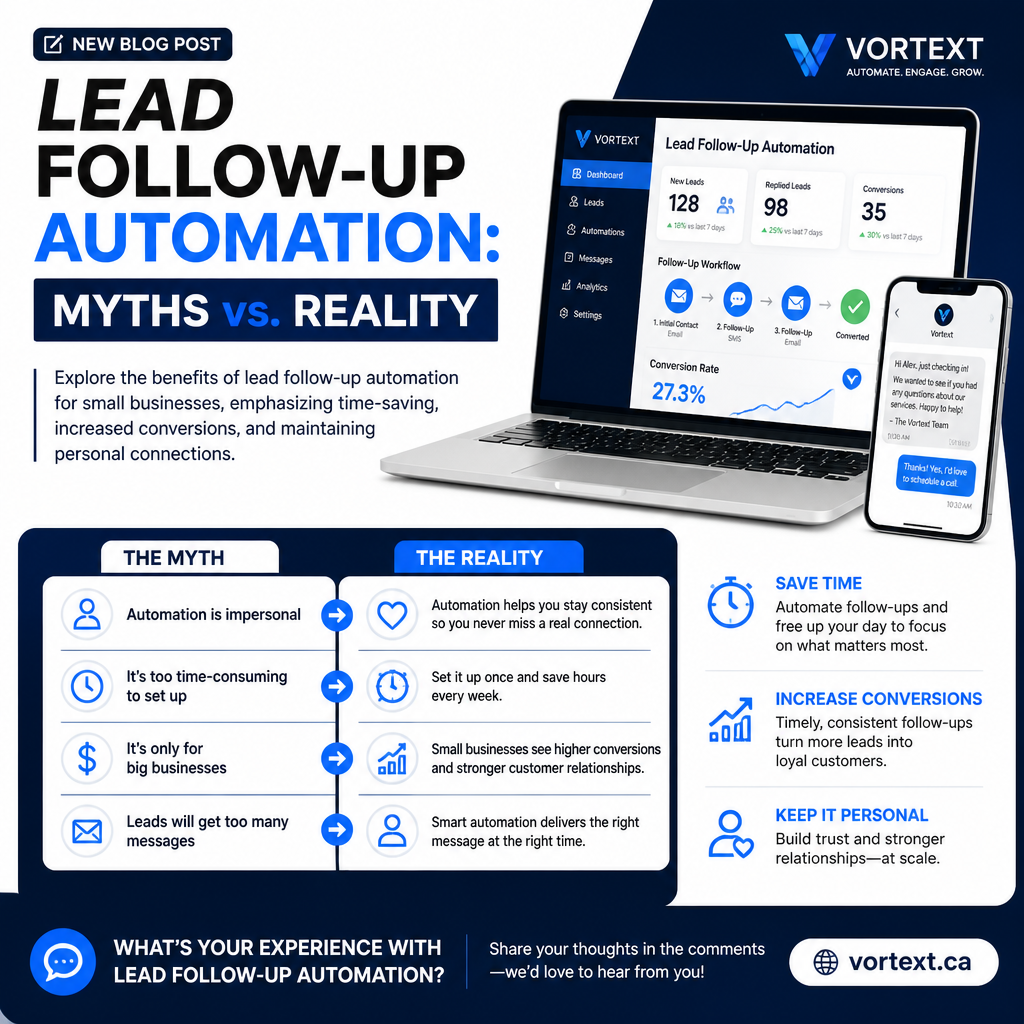
Lead Follow-Up Automation: Save Time and Increase Conversions for Small Businesses
In today’s fast-paced business environment, small businesses are constantly searching for ways to streamline operations and improve their bottom line. One powerful strategy that can help achieve these goals is lead follow-up automation. This innovative approach not only saves time but also enhances conversion rates, all while maintaining personal connections with potential customers. Are you ready to embrace this strategy?
What is Lead Follow-Up Automation?
Lead follow-up automation involves using software tools to manage and automate the process of engaging with potential customers after they have shown interest in your products or services. This includes sending personalized emails, scheduling reminders for follow-up calls, and tracking interactions—all designed to nurture leads efficiently and effectively.
Benefits of Lead Follow-Up Automation
1. Time Savings
For small business owners, time is a precious resource. Manual follow-up can be tedious and time-consuming, often leading to missed opportunities. By automating follow-up processes, you can free up valuable time to focus on other critical areas of your business, such as customer service and product development.
2. Increased Conversions
Statistics show that timely follow-up can significantly increase conversion rates. According to research, leads that are contacted within the first hour are seven times more likely to convert than those contacted later. Automation ensures that no lead is overlooked and that follow-ups occur promptly, maximizing your chances of conversion.
3. Personalized Engagement
While automation can sound impersonal, the right tools allow you to maintain a personal touch. By segmenting your audience and tailoring your messages, you can create a customized experience for each lead. Using merge tags, you can address leads by their names and reference previous interactions, making your communications feel more personal and engaging.
4. Consistent Follow-Up
Consistency is key in sales. Automated follow-ups ensure that every lead receives the attention they deserve, regardless of how busy you or your team may be. This consistency builds trust and keeps your business top-of-mind for potential customers.
Implementing Lead Follow-Up Automation Effectively
1. Choose the Right Tools
Investing in the right CRM (Customer Relationship Management) software or marketing automation platform is crucial. Look for tools that offer features like email automation, lead scoring, and analytics to help you track your follow-up success.
2. Create a Follow-Up Strategy
Before implementing automation, develop a clear follow-up strategy. Outline the steps you want to take after a lead is generated, including the timing and content of follow-up messages. This strategy should align with your overall sales process and customer journey.
3. Monitor and Adjust
Once you’ve implemented your automated follow-up system, it’s essential to monitor its performance. Use analytics to track open rates, response rates, and conversions. Be prepared to adjust your strategy based on what the data tells you, ensuring continuous improvement in your follow-up efforts.
Conclusion: Are You Ready to Embrace Lead Follow-Up Automation?
Lead follow-up automation is a game changer for small businesses looking to save time and increase conversions while still fostering personal connections with potential customers. By implementing this strategy effectively, you can streamline your follow-up processes, improve customer engagement, and ultimately drive sales growth. So, are you ready to embrace lead follow-up automation and take your business to the next level?